
Posted by Mike Cunningham on Dec 1st 2025
Why Use Water Activated Paper Tape?
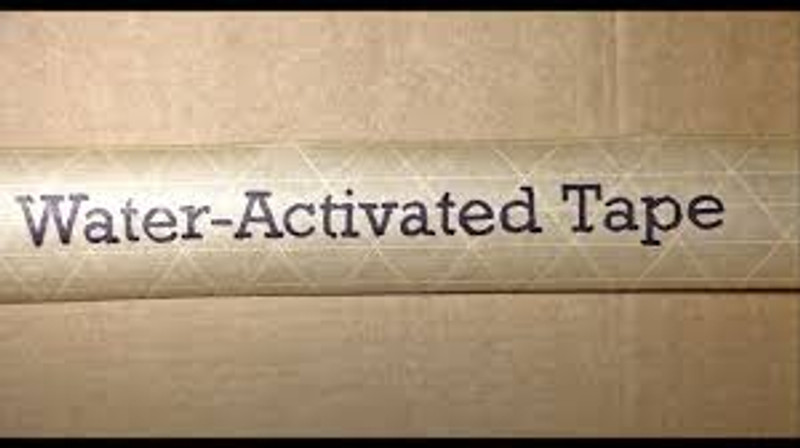
WAT (water activated tape), is a powerful adhesive that bonds to both newly made and recycled fiber surfaces.
In packaging, WAT was previously the standard taping method for decades until polyethylene tape (pressure sensitive tape) arrived as an affordable and convenient alternative. That all dramatically changed a few years ago when WAT returned to the market with some new and innovative advantages, noted below.
Material Usage -8%: The average amount of tape needed to seal a single carton using WAT was 8% less than using pressure sensitive tape.
Tape Integrity: In each environment tested, (room temperature, cold and tropical), cartons sealed with WAT remained intact, preventing tampering. Cartons sealed with pressure sensitive tape were not as secure and could be easily accessed without revealing any signs of tampering.
Adhesion Strength: When WAT is removed from cartons, it also removes 80% of the carton’s fibers. Standard pressure sensitive tape can be easily removed from the carton, without evidence.
Appearance: If you are looking to enhance branding and the customer experience with your packaging, WAT is the best place to start. The clean look of Kraft Paper on the carton can be dramatically improved by printing your logo on WAT.
Improved Ergonomics: Handheld tape guns require repetitive wrist movements that can cause fatigue or injury. WAT dispensers eliminate that strain by automatically dispensing pre-measured lengths of tape, helping improve worker comfort, reduce injury risk, and increase throughput.
With these numerous advantages, it is not difficult to understand why Home Depot, Walmart and Amazon have switched to WAT.
Depending on your product volume and customer base, WAT may be the best choice for your packaging and shipping needs.
Contact our team at 813 242 6995 or sales@quickpakinc.com to discuss how WAT can improve security, reduce waste, and streamline your shipping process.