
Posted by Mike Cunningham on Apr 8th 2026
Why Choose Paper Packaging?
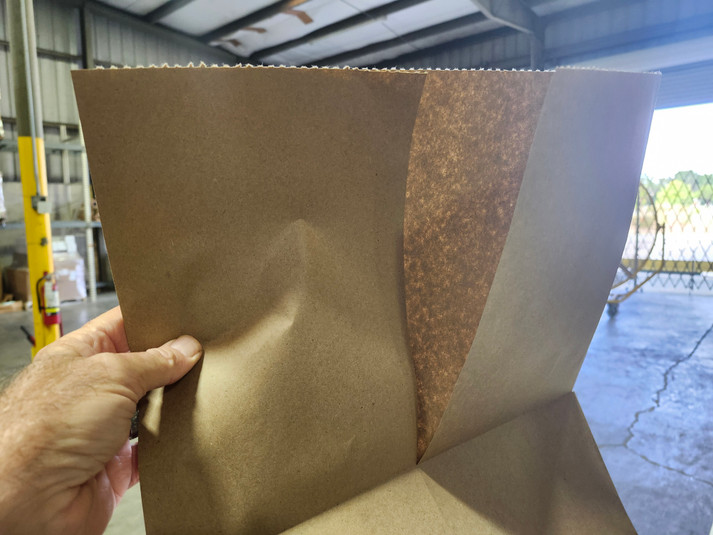
Many businesses are turning to paper packaging because it supports both product protection and environmental goals. Paper packaging can be used in multiple ways, depending on the type of protection required.
Void Fill: During shipping, empty spaces inside a box can allow products to move around, increasing the risk of damage. Even tiny amounts of movement during transit can lead to products knocking against each other or the sides of the carton.
Void fill packaging is designed to fill these gaps and stabilize products within the box, helping keep items securely positioned throughout the delivery journey. Paper-based void fill solutions create lightweight yet strong structures that occupy space and restrict product movement.
Cushioning: Some products require more than simply filling empty space, they need protection from shock and impact during transit. Cushioning packaging absorbs energy from drops, vibration, and handling to protect fragile or delicate items. Paper cushioning materials can be engineered into spring-like structures that absorb impact while remaining fully recyclable.
Block and Bracing: For heavier or irregularly shaped products, filling empty space alone may not provide enough protection. Block and bracing solutions secure items firmly within the carton to prevent shifting during transit. Unlike void fill, which stabilizes products by filling space, block and bracing locks products into position, preventing them from sliding, rotating, or contacting the carton walls. Paper-based block and bracing materials create strong structural supports within the box. These supports hold products securely and help maintain pack stability throughout transit.
Surface Protection: In many cases, protecting a product isn’t just about preventing movement or impact, it’s also about protecting the surface finish. During packing and transit, products can be exposed to friction, abrasion, dust or contact with other items in the carton. Without protection, this can lead to scratches, scuffs, or cosmetic damage.
Surface protection materials act as a barrier between the product and its surroundings, helping maintain product quality throughout the supply chain. Paper-based surface protection materials wrap around products to create a protective layer between the item and other packaging components.
By understanding different applications, from void filling and cushioning to block and bracing and surface protection, businesses can select solutions that deliver both reliable protection and improved sustainability.
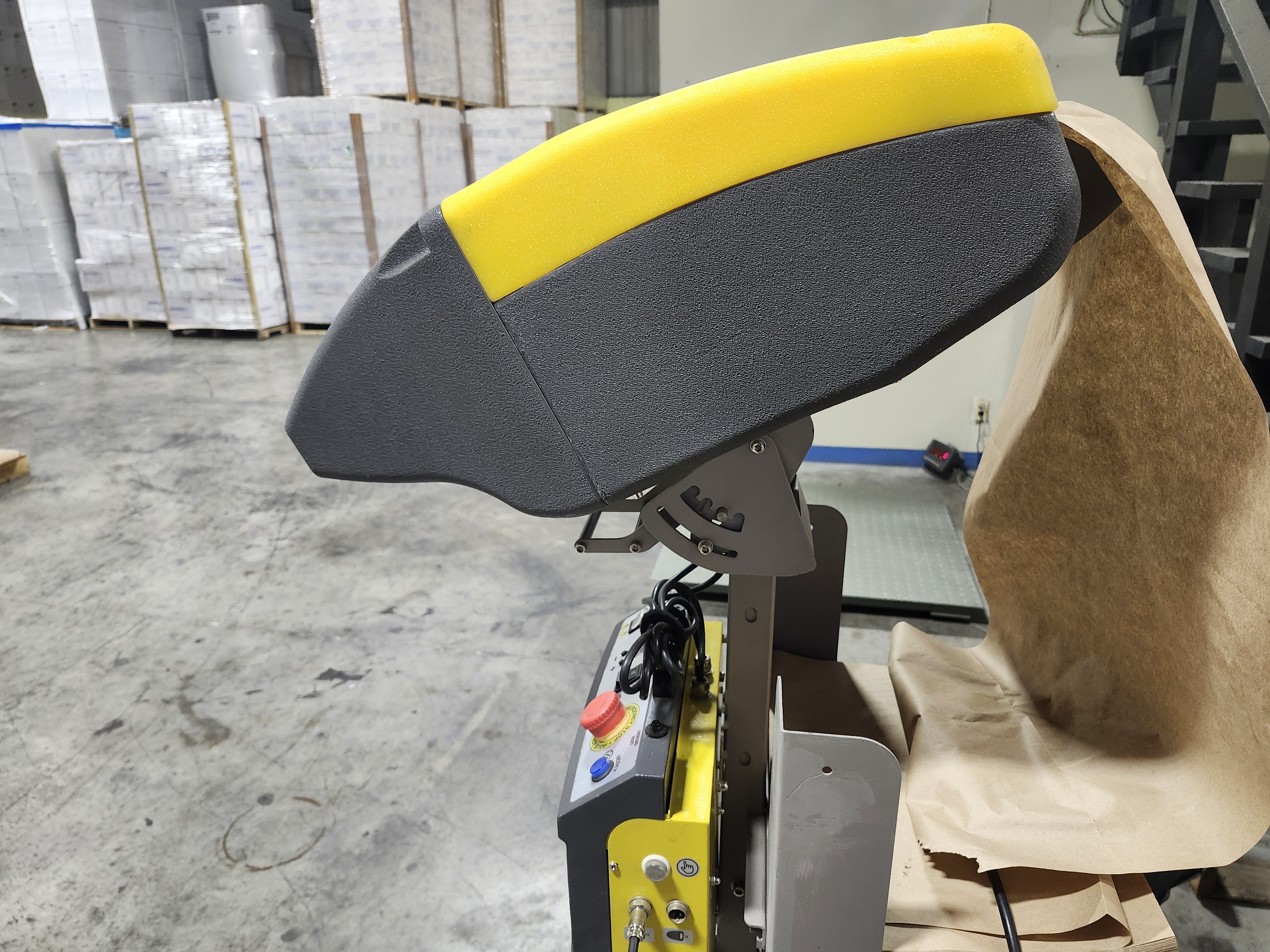
If you’re looking for ways to optimize your protective packaging or transition to more sustainable materials, call our experts at 813 242 6995 or reach out to sales@quickpakinc.com we can help you find the right solution for your business.