
Posted by Mike Cunningham on Dec 2nd 2025
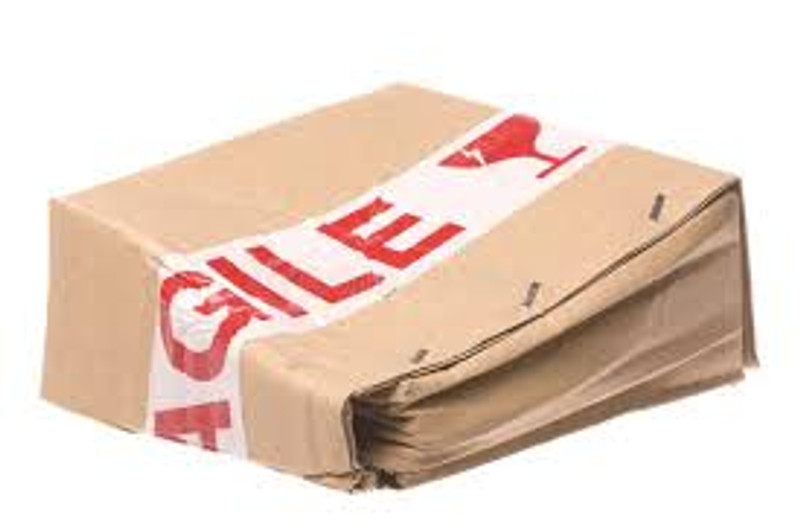
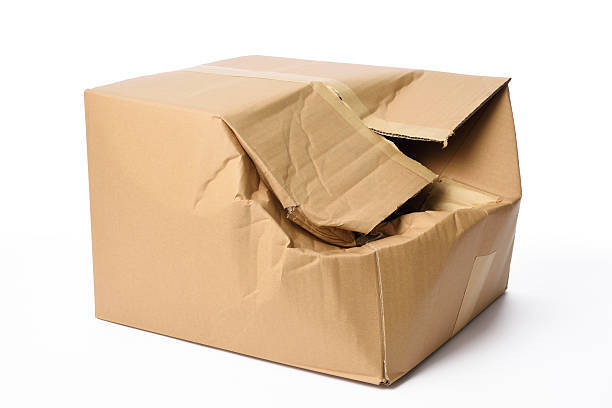
Crushed Corrugated Boxes are not a good look.
To guarantee that items arrive at their destination in top condition, implementing effective, crush-resistant packaging strategies is essential. By taking proactive measures and focusing on the following crucial elements, you can protect shipments against various hazards during transit:
Choose High-Quality Boxes: The foundation of your shipment dictates its resilience. Avoid thin cardboard without reinforcement. Instead, select materials for boxes that match the shipment's demands.
Material: Corrugated fiberboard is superior to basic cardboard due to its layered structure and durability, handling varying levels of weight and pressure effectively.
Structure: For heavy or fragile items, choose double-walled or triple-walled boxes, which offer greater durability and stacking strength than single-walled designs.
Special Needs: Consider insulated packaging for temperature-sensitive items or water-resistant coatings for items that may encounter adverse weather conditions.
Stacking Strength: If boxes are stacked, select packaging with a higher Edge Crush Test (ECT) number for improved vertical compression strength.
Cushion Your Items: Effective cushioning creates a vital barrier between items and external forces, preventing products from shifting during transit. The goal is a snug fit with no room for movement.
Materials: Use bubble wrap, foam inserts, paper, or air pillows to fill empty spaces.
Coverage: Pad the sides, top, and bottom of the box, as these areas bear significant pressure.
Guideline: Aim for at least two inches of cushioning around all surfaces to create a solid buffer.
Fragile Items: For items like glassware or electronics, consider customized foam inserts that conform to the product’s shape.
Use Reinforced Tape for Sealing: The tape used for sealing matters as much as the box itself. Strong, reinforced tape adds a strong, resistant layer to external pressure.
Type: Look for adhesive tapes designed specifically for shipping, such as water-activated tape or reinforced fiberglass tape.
Method: Use the H-taping method to seal every seam, edges and center. This strengthens the overall structural integrity of the shipment.
Heavy Products: Use filament tape, which contains embedded fiberglass strands that provide substantial holding power for heavy products.
Do Not Overpack the Box: Overpacking is a common mistake that weakens a box’s structural integrity and increases the chance of collapse under heavy loads.
Weight Distribution: Distribute weight evenly within the box and avoid exceeding the packaging material's recommended weight limit.
Irregular Shapes: If shipping items with irregular shapes or sharp edges, account for potential stress points. Sharp objects should have padding and coverings to prevent them from puncturing the packaging from the inside.
Alternative: Using multiple small boxes for difficult shipments can eliminate pressure points and maintain packaging strength.
Add Protective Reinforcements: Reinforcements bolster a box’s resistance to crushing.
Standard Reinforcements: Use corner protectors, edge guards, or cardboard inserts to strengthen weak points and maintain the box's shape under stress.
Sensitive Shipments: For machinery or medical equipment, construct inner frames or rigid padding layers using materials like wood or plastic to create a sturdier defense against heavy stacking or sudden impacts.
Label the Shipments Clearly: Labeling plays a vital role in how workers handle a package, decreasing the chances of improper stacking and rough treatment.
Handling Instructions: Use labels like “Fragile,” “This Side Up,” or “Handle with Care.”
Stacking Instructions: Consider using directional arrows to indicate safe stacking directions or a specific “Do Not Stack” label for soft or less-reinforced packaging.
Applying these strategies will set your products up for safe and successful transport. Protecting shipments is an investment in your company’s reputation, ensuring customer satisfaction and reducing costs associated with damaged goods.